Zhengzhou Yishang Machinery Equipment Co., Ltd.
Zhengzhou Yishang Machinery Equipment Co., Ltd.
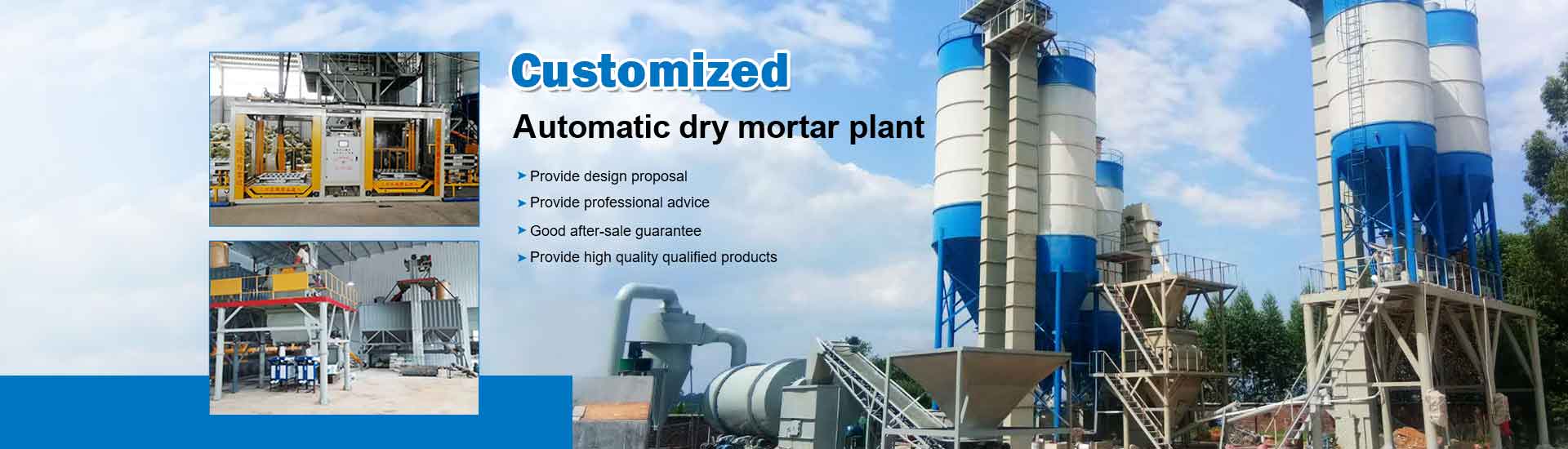
Thermoplastic road marking paint production line
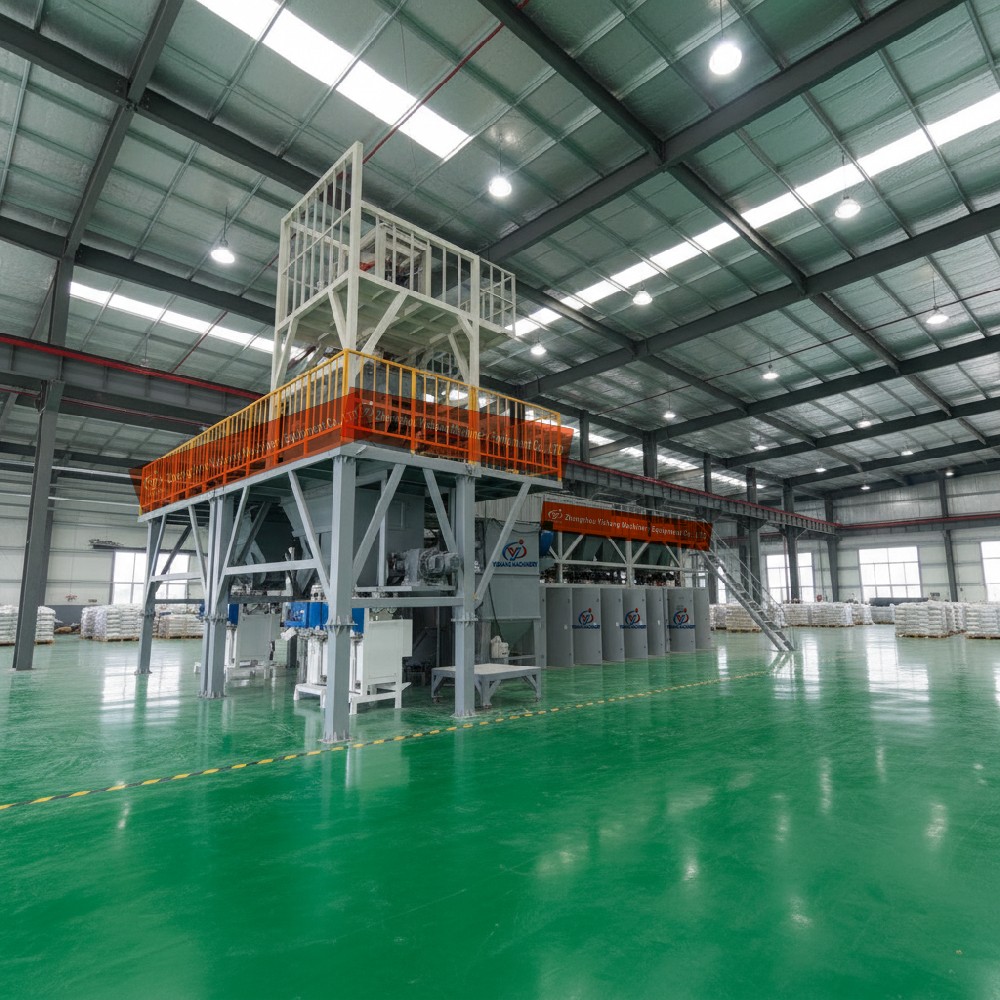
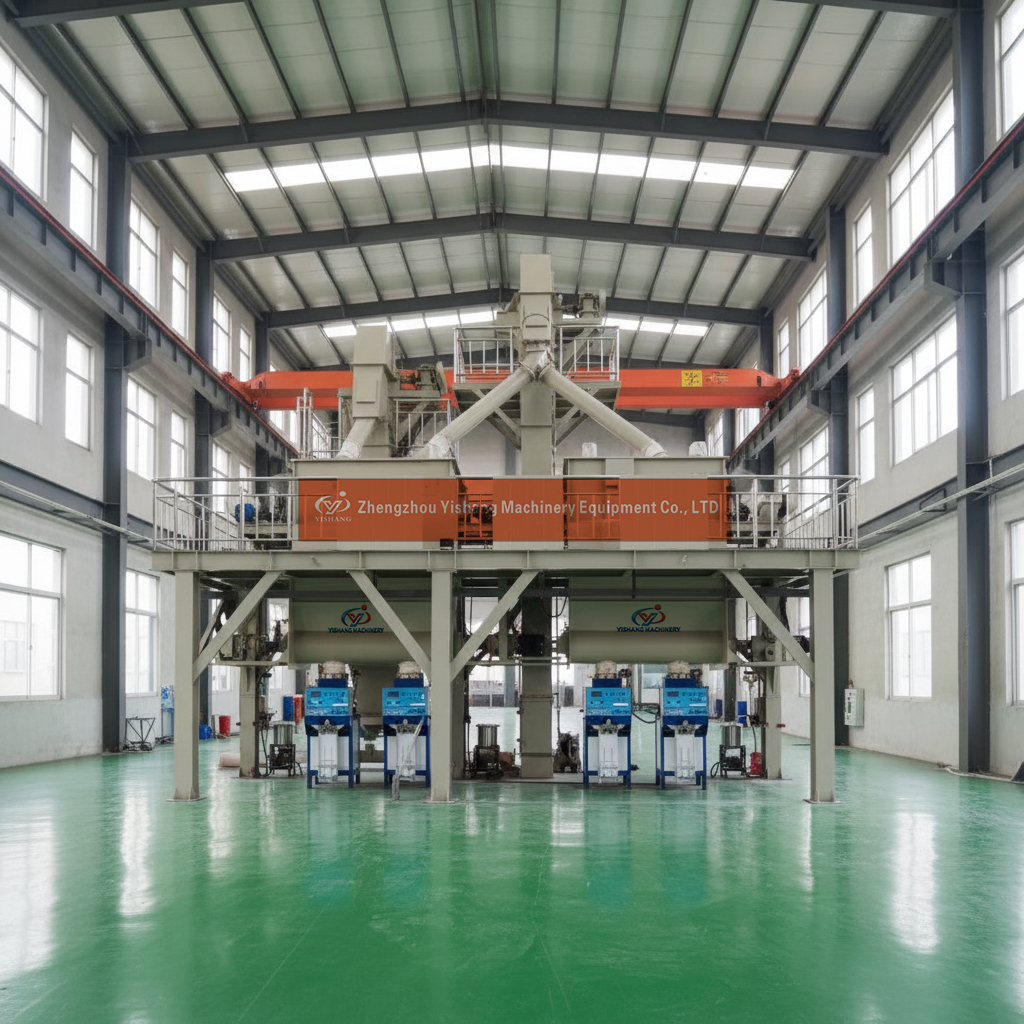
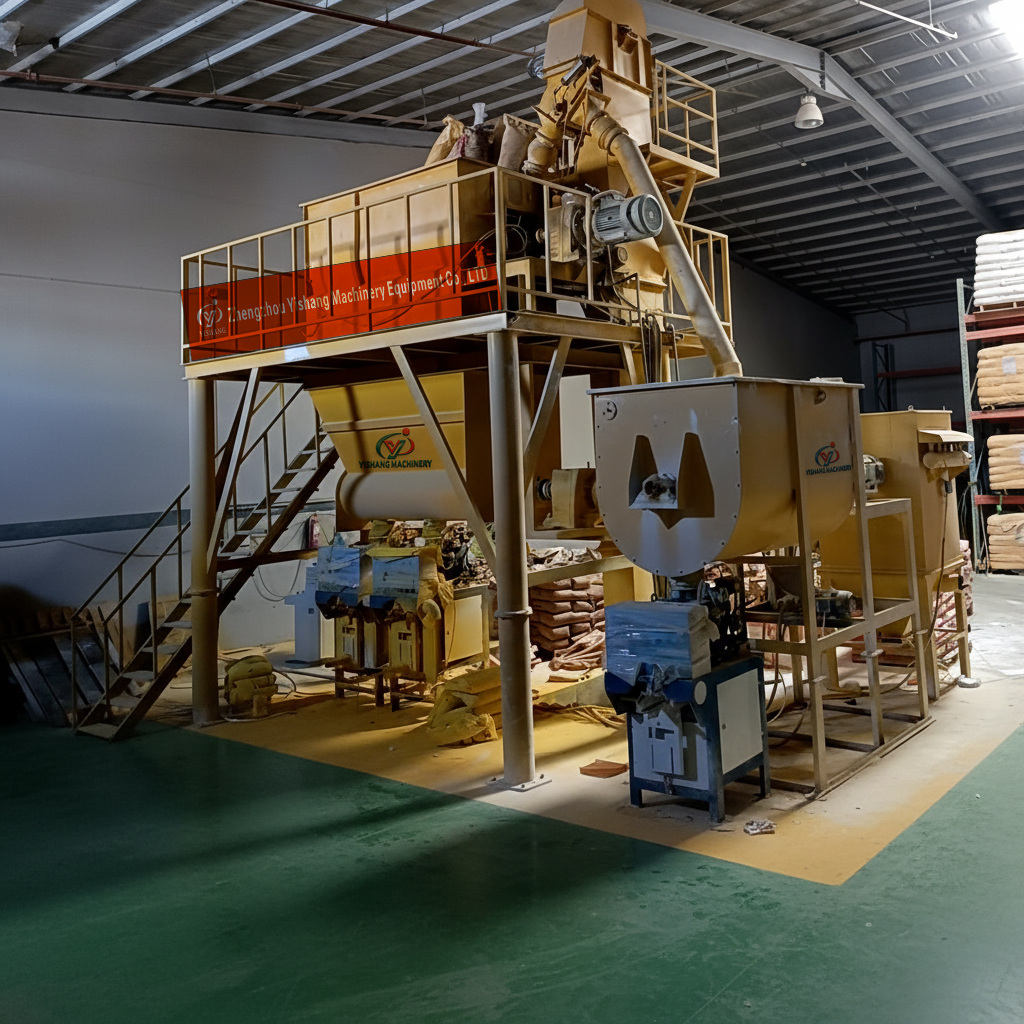
Road safety begins with clear, durable, and highly visible road markings. As global infrastructure development accelerates across highways, urban roads, airports, and parking facilities, the demand for high-performance thermoplastic road marking paint continues to grow. Zhengzhou Yishang Machinery introduces its Yellow & White Thermoplastic Road Marking Paint Making Plant — a complete production line specifically engineered for manufacturing thermoplastic road marking materials in both yellow and white colors
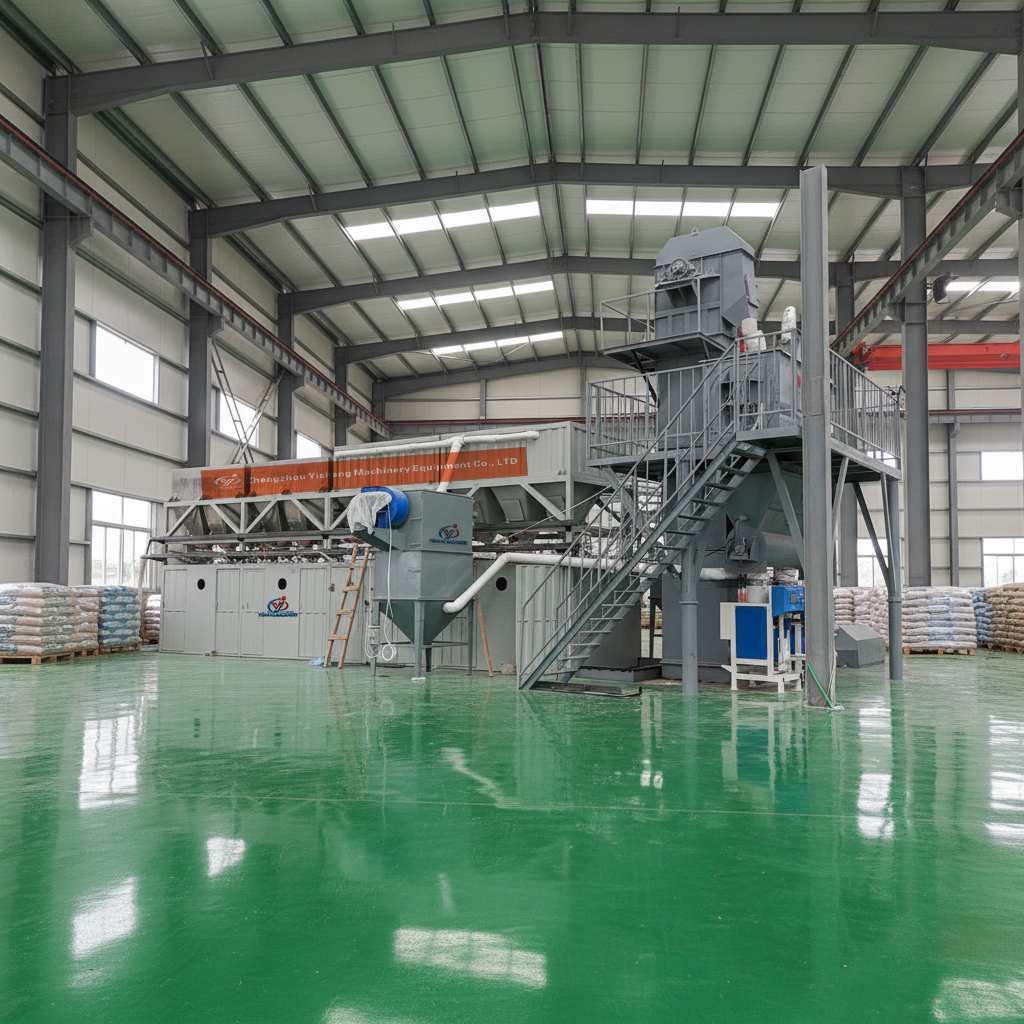
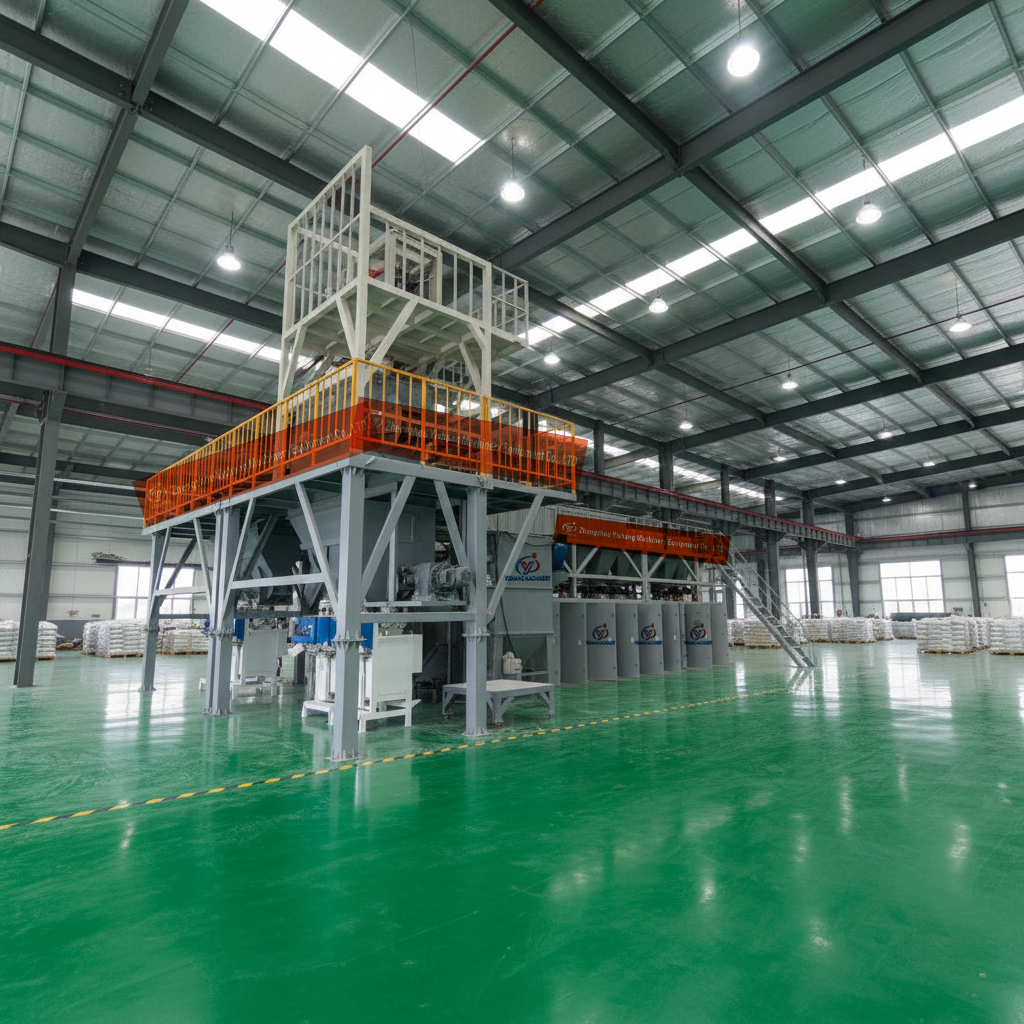
This automatic production plant integrates raw material handling, precision weighing, high-speed mixing, and automatic packaging into a seamless manufacturing system, enabling producers to achieve consistent quality with minimal manual intervention
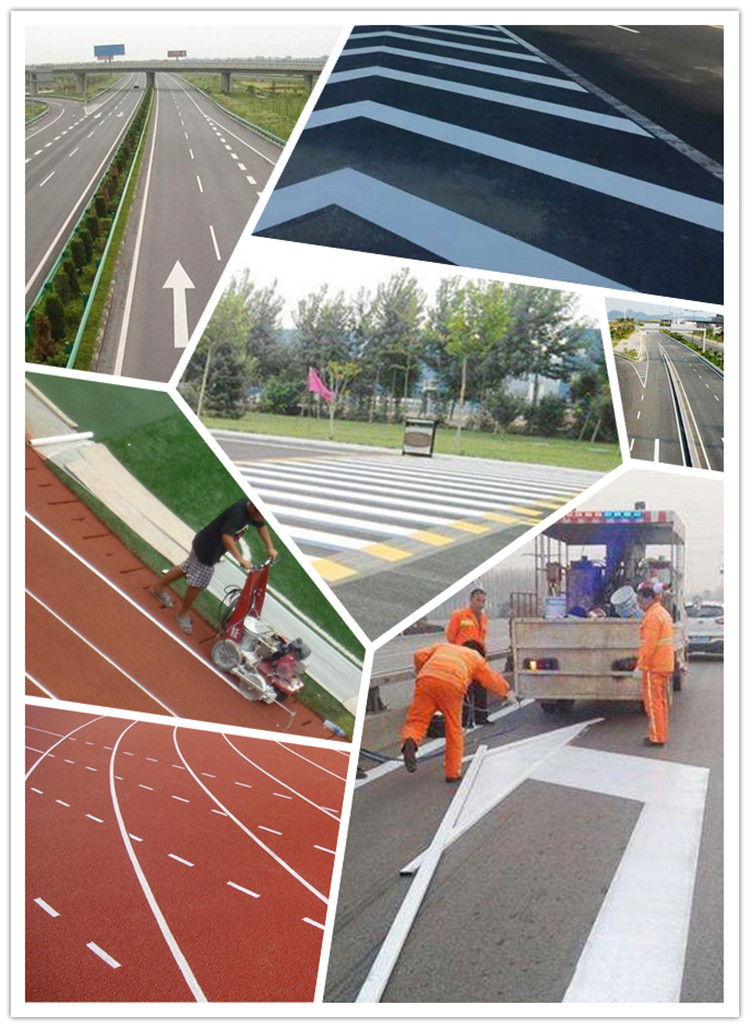
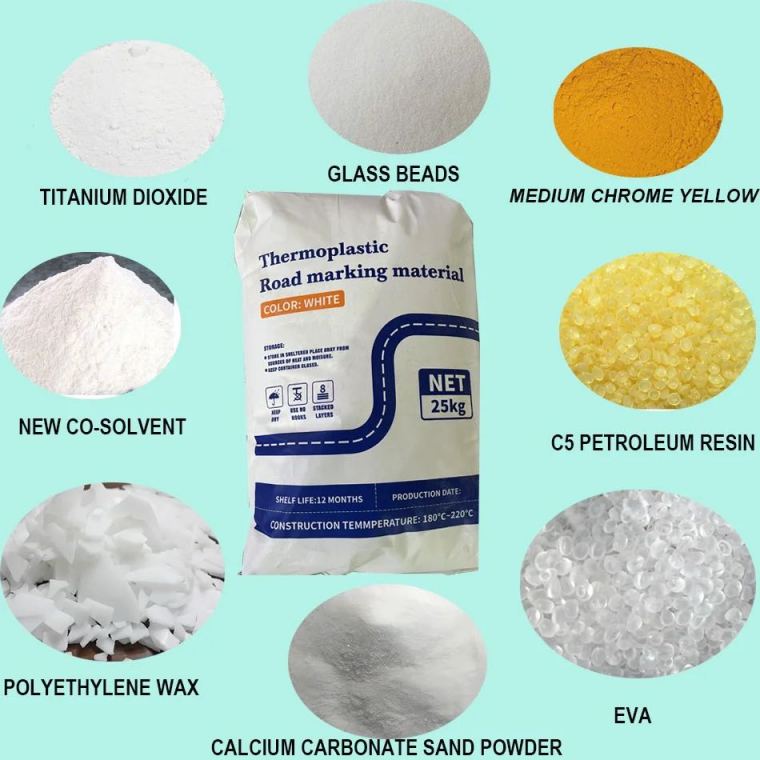
Thermoplastic road marking paint is a 100% solids, solvent-free material formulated from synthetic resins, plasticizers, pigments (titanium dioxide for white, chrome yellow for yellow), fillers (calcium carbonate), and reflective glass beads. Unlike traditional solvent-based paints, thermoplastic material is applied in a molten state at 180-200°C and rapidly cools to form a durable, long-lasting marking .
Key characteristics of thermoplastic road marking paint:
Fast drying — traffic can resume within 3-15 minutes after application
Excellent durability — service life of 2-3 years or more
High retro-reflectivity — enhanced night visibility with glass beads
Good skid resistance — improves driving safety
Environmentally friendly — solvent-free, non-toxic -
Our production line is specifically configured to produce both colors with precise formulations:
| Product | Key Pigment | Primary Applications |
|---|---|---|
| White Thermoplastic Paint | Titanium Dioxide (TiO₂) | Lane dividers, edge lines, crosswalks, symbols |
| Yellow Thermoplastic Paint | Chrome Yellow / Iron Yellow | No-passing zones, caution areas, bus lanes, curbs |
Both colors meet international standards including BS EN 1871, BS EN 1436, AASHTO M249, and ASTM D476 -
Our thermoplastic paint making plant integrates a fully automated production line from raw material to finished product:
Step 1: Raw Material Storage & Handling
Cement silos for resin/pigment storage
Hopper systems for fillers and aggregates
Automatic feeding systems with dust collection
Step 2: Automatic Weighing & Batching
PLC-controlled weighing system with ±0.5% accuracy
Micro-dosing for pigments and additives
Recipe storage for multiple formulations (white/yellow, different standards)
Step 3: High-Intensity Mixing
Heavy-duty twin-shaft mixer
Heating capability for resin melting
Uniform dispersion of pigments, fillers, and glass beads
Step 4: Twin-Screw Extrusion
Co-rotating twin-screw extruder
Temperature-controlled zones (up to 200°C)
Homogeneous melting and shearing
Step 5: Cooling & Solidification
Water-cooled conveyor belt
Cooling fans for rapid temperature reduction
Solidified sheet formation
Step 6: Crushing & Milling
Coarse crusher for initial size reduction
Fine pulverizer for powder processing
Sieving system for particle size control (0-4mm)
Step 7: Automatic Packaging
Valve bag packing machine
25kg/bag standard (customizable)
±0.2kg accuracy
Step 8: Dust Collection System
Pulse jet dust collectors at key points
Environmental compliance
Material recovery for reduced waste
The twin-screw extruder represents the core technology of our thermoplastic paint production line:
Co-rotating twin-screw design – Superior mixing and shearing action
Multiple heating zones – Precise temperature control (180-200°C)
High torque output – Handles high-viscosity materials
Wear-resistant screw elements – Extended service life with abrasive fillers
Venting port – Removes moisture and volatiles
Our production line incorporates multi-point quality monitoring:
| Quality Parameter | Target Value | Testing Method |
|---|---|---|
| Softening Point | 90-125°C | Ring & Ball apparatus - |
| Drying Time | ≤3 minutes | No-pick-up test - |
| Luminance Factor (White) | ≥75 | Spectrophotometer |
| Luminance Factor (Yellow) | ≥45 | Spectrophotometer |
| Compressive Strength | ≥12 MPa | Compression tester - |
| Skid Resistance (BPN) | ≥50 | Pendulum tester |
| Glass Bead Content | 18-35% | Sieve analysis - |
| Abrasion Resistance | ≤80 mg | Taber abraser |
Based on your production scale, we offer multiple configurations:
| Configuration | Annual Capacity | Automation Level | Best For |
|---|---|---|---|
| Simple Line | 3,000-5,000 tons | Manual batching, auto packing | Small business, startup |
| Semi-Auto Line | 5,000-10,000 tons | Semi-automatic batching | Medium-scale production |
| Full Auto Line | 10,000-30,000 tons | Fully automatic | Industrial production |
| Heavy-Duty Line | 30,000-100,000+ tons | Full automation + QC lab | Large-scale manufacturing - |
| Model | Capacity (kg/batch) | Annual Capacity (tons) | Mixer Power (kW) | Extruder Power (kW) | Total Power (kW) | Workshop Area |
|---|---|---|---|---|---|---|
| YS-TP-500 | 500 | 3,000-5,000 | 22 | 37 | 90-100 | 200-300 m² |
| YS-TP-1000 | 1,000 | 8,000-12,000 | 45 | 55 | 150-180 | 300-500 m² |
| YS-TP-1500 | 1,500 | 15,000-20,000 | 55 | 75 | 200-250 | 500-800 m² |
| YS-TP-2000 | 2,000 | 25,000-35,000 | 75 | 110 | 280-350 | 800-1200 m² |
Production cycle: 15-20 minutes per batch
Particle size range: 0-4 mm (adjustable)
Workers required: 3-6 persons per shift
Heating method: Electric / Thermal oil / Gas (optional)
| Component | Description |
|---|---|
| Raw material silos | 4-8 units for resin, pigment, filler, glass beads; level sensors included |
| Automatic weighing system | Independent scales with ±0.5% accuracy |
| High-intensity mixer | Heavy-duty mixer for dry powder blending |
| Twin-screw extruder | Co-rotating design, temperature-controlled zones, 180-200°C |
| Cooling conveyor | Water-cooled belt with fans |
| Crusher & pulverizer | Two-stage size reduction system |
| Vibrating sieve | Particle size classification (0-4mm) |
| Automatic packer | Valve bag filling, 25kg/bag, ±0.2kg accuracy |
| Pulse dust collector | Environmental protection throughout the line |
| PLC control panel | Touchscreen interface, recipe storage, data logging |
| Air compressor | For pneumatic valves and cleaning |
| QC laboratory equipment (optional) | Softening point tester, viscometer, abrasion tester |
| Material | Function | Proportion |
|---|---|---|
| C5/C9 Petroleum Resin | Binder, provides adhesion and durability | 15-25% |
| EVA (Ethylene Vinyl Acetate) | Flexibility and impact resistance | 3-8% |
| Paraffin Wax / PE Wax | Flowability and water resistance | 2-5% |
| Titanium Dioxide (TiO₂) | White pigment, provides whiteness | 8-12% |
| Chrome Yellow / Iron Yellow | Yellow pigment | 5-10% |
| Calcium Carbonate (CaCO₃) | Filler, reduces cost | 40-55% |
| Glass Beads (coated type) | Retro-reflectivity for night visibility | 18-30% |
| Anti-slip aggregate | Skid resistance | 3-8% |
| UV stabilizer | Prevents fading and degradation | 0.5-1% |
| Parameter | Value |
|---|---|
| Color | White |
| Luminance factor (β) | ≥75 - |
| Softening point | 90-125°C - |
| Drying time | ≤3 minutes |
| Glass bead content | 18-35% (customizable) |
| Density | 1.8-2.3 g/cm³ |
| Compressive strength | ≥12 MPa - |
| Parameter | Value |
|---|---|
| Color | Yellow |
| Luminance factor (β) | ≥45 |
| Softening point | 90-125°C |
| Drying time | ≤3 minutes |
| Glass bead content | 18-30% (customizable) |
| Density | 1.8-2.2 g/cm³ |
BS EN 1871 / BS EN 1436 (European standard) -
AASHTO M249 (US standard) -
ASTM D476 (US standard)
KS 2157-1:2008 (Kenya standard) -
Chinese National Standard
| Application Area | Marking Types |
|---|---|
| Highways & Expressways | Lane dividers, edge lines, rumble strips |
| Urban Roads | Crosswalks, stop lines, bike lanes, bus lanes |
| Airports | Runway markings, taxiway lines, apron markings |
| Parking Lots | Parking space lines, directional arrows, pedestrian walkways |
| Industrial Facilities | Warehouse aisle markings, safety zones, loading zones |
| Sports Facilities | Running tracks, tennis court lines |
Thermoplastic paint produced by our plant requires specialized application equipment:
Preheater kettle – Melts powder to 180-200°C with agitation -
Extrusion applicator – For profile lines (ribbed or flat)
Spray applicator – For thin film markings
Drop-on glass bead dispenser – For immediate bead application after marking -
Application guidelines:
Road surface temperature: ≥10°C
Material temperature: 180-200°C
Do not hold above 180°C for more than 6 hours
Primer recommended for concrete surfaces -
Coverage: 4-8 kg/m² at 1.5-3mm thickness
Complete Solution Provider – Turnkey thermoplastic paint plant design, equipment supply, installation, and training
International Standards – Equipment and formulations can be customized to meet BS, AASHTO, ASTM, or customer specifications -
Formula Support – Basic formulations for white and yellow paint provided
Factory Direct – Competitive pricing with quality assurance
Global Export Experience – Serving customers across Asia, Africa, South America, and the Middle East
After-Sales Service – Engineers available for overseas installation and commissioning
One-Year Warranty – Comprehensive coverage for core components
Contact us for a customized quotation!
📞 Tel/WhatsApp/WeChat: +86 15137127837
🌐 Web: www.drymortarmachinery.com
✉ Email:[email protected]
Please inform us of your target annual capacity and color requirements (white, yellow, or both). Our engineering team will design the optimal thermoplastic road marking paint production line for your needs.

Whatsapp:++8615137127837
WechatID:+8615137127837
Email:[email protected]
Alibaba Store:
https://zzyishang.en.alibaba.com


 ++8615137127837
 +8615137127837

 Alibaba Store
