Zhengzhou Yishang Machinery Equipment Co., Ltd.
Zhengzhou Yishang Machinery Equipment Co., Ltd.
Thermoplastic Road Marking Paint: Raw Materials, Formulations, and Thermoplastic Road Marking Paint Production Line Selection
 2025-12-29
1. Introduction to Thermoplastic Road Marking Paint
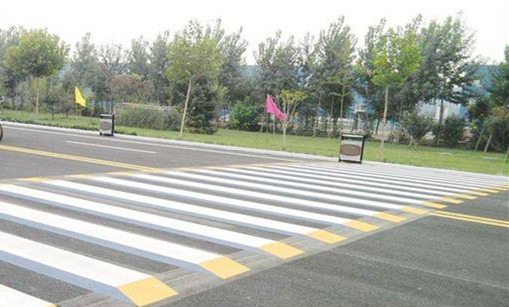
Thermoplastic road marking paint is a hot-melt material applied at high temperatures (180-220°C). It solidifies quickly upon cooling, forming highly durable, reflective, and weather-resistant road markings. Its popularity stems from its long service life, excellent night visibility (with embedded glass beads), and resistance to traffic wear.
2. Key Raw Materials and Basic Formulation
The performance of thermoplastic paint depends on a precise blend of components:
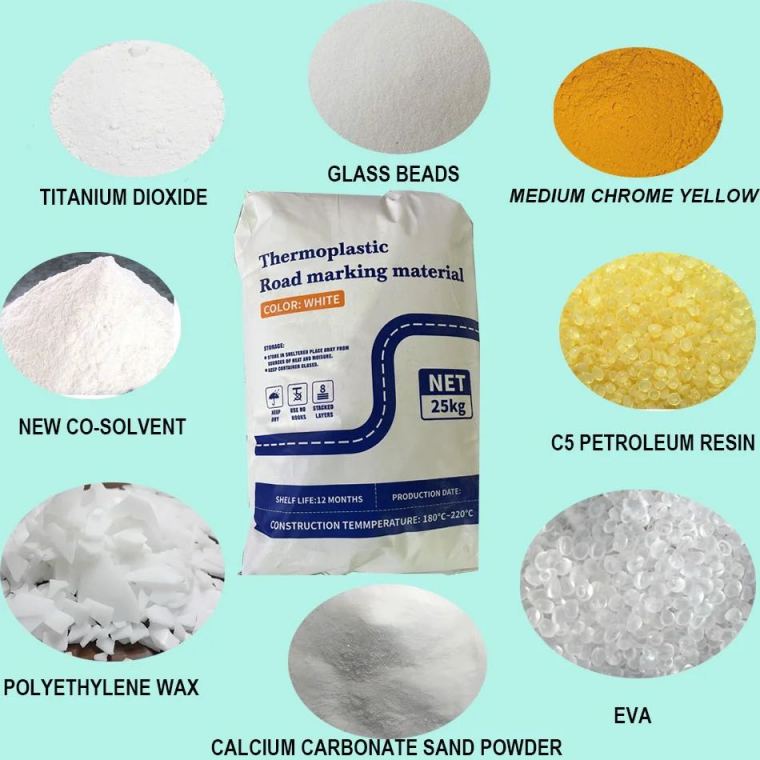
Binders (18-25%): Thermosetting resins that form the film and provide adhesion. Common types are:
Hydrocarbon Resins (C5, C9, or C5/C9 copolymers): Offer good balance of hardness, flexibility, and cost.
Gum Rosin & Ester Gums: Improve initial tack and adhesion.
Maleic Rosin: Enhances heat resistance and weathering.
Pigments (15-20%): Provide color and opacity.
Titanium Dioxide (Rutile): The primary white pigment for superior whiteness and UV resistance.
Chrome Yellow, Organic Yellows: For yellow markings.
Fillers (40-55%): Inert materials that provide volume, body, wear resistance, and reduce cost.
Calcium Carbonate (Precipitated or Ground): Most common filler.
Quartz Sand/Silica: Increases hardness and abrasion resistance.
Barytes (Barium Sulfate): Improves density and weather resistance.
Glass Beads (5-10% pre-mixed, plus drop-on application): Critical for retroreflection.
Pre-mixed Beads: Become embedded in the cooling film for long-term reflectivity.
Drop-on Beads: Applied on the hot surface immediately after painting for instant reflectivity.
Additives (2-5%): Modify specific properties.
Plasticizers (e.g., DOP, Soybean Oil): Improve flexibility and low-temperature crack resistance.
Waxes (e.g., PE Wax, Fischer-Tropsch Wax): Aid in viscosity reduction, quick setting, and provide surface smoothness/water resistance.
Antioxidants: Prevent binder degradation during high-temperature processing and application.
Dispersing Agents: Ensure uniform pigment/filler distribution.
A Typical Basic Formulation (White):
Binder (Hydrocarbon Resin + Gum Rosin): 22%
Titanium Dioxide: 18%
Calcium Carbonate: 30%
Quartz Sand (200 mesh): 25%
Pre-mixed Glass Beads: 3%
Additives (Wax, Plasticizer): 2%
Total: 100%
3. Thermoplastic Road Marking Paint Production Line - Zhengzhou Yishang Machinery Equipment Co., Ltd.
Zhengzhou Yishang Machinery Equipment Co., Ltd. specializes in manufacturing complete thermoplastic road marking paint production lines.mp4 , offering scalable solutions to meet diverse client needs, from startups to large-scale manufacturers.
Key Advantages of Yishang's Production Lines:
High Efficiency: Designed for continuous, uniform mixing and output.
Consistent Quality: Precise temperature control and mixing ensure batch-to-batch uniformity.
Flexibility: Can produce various formulations (white, yellow, different grades).
Durability: Robust construction using quality components for long-term reliability.
4. Production Line Models for Customer Selection
Customers can choose from three primary models based on their production scale, budget, and automation requirements:
A.Simple Thermoplastic Road Marking Paint Mixing Machine
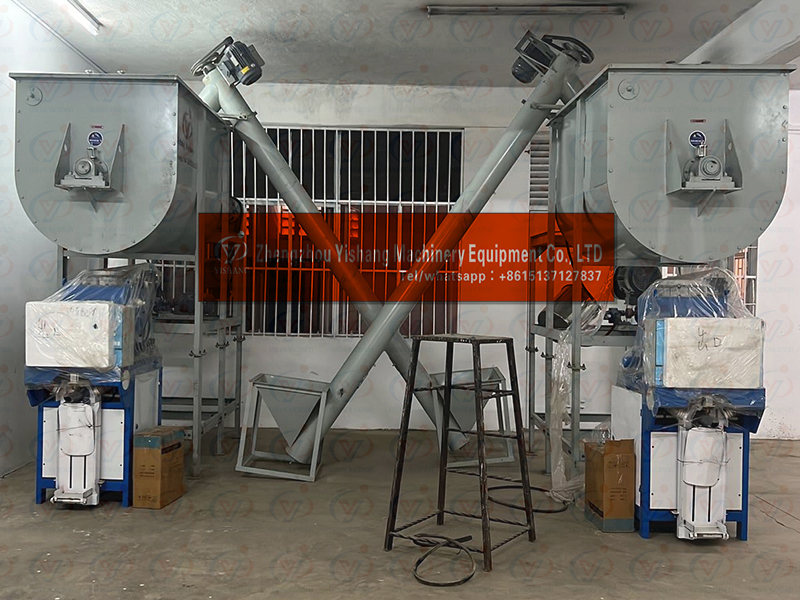
Ideal For: Small businesses, startups, or regions with lower labor costs; low to medium output requirements.
Key Features:
Mixer: A heated mixing kettle with manual or simple mechanical feeding.
Process: Semi-automatic. Operators manually weigh and load most raw materials (resins, fillers, pigments) in sequence.
Cooling & Packing: The hot mix is discharged, cooled on a tray or conveyor, and then manually crushed and packed, or packed directly into bags.
Control: Basic temperature and mixing speed controls.
Advantages: Lowest initial investment, easy to install and operate, suitable for small batches or multiple product types.
Output: Typically 1T per batch.
B.Semi-Automatic Thermoplastic Road Marking Paint Ming Plant
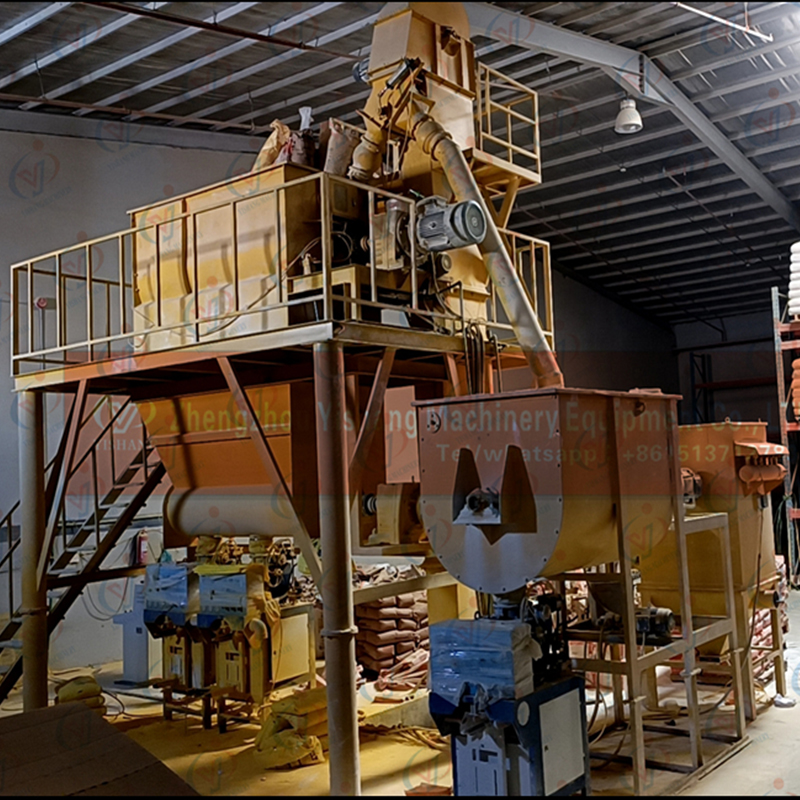
Ideal For: Medium-sized companies aiming for higher, consistent output with reduced labor intensity.
Key Features:
Feeding System: Equipped with automated screw conveyors or hoists for major components (fillers, sand). Pigments and additives may still be pre-weighed and added manually.
Mixer: Larger, high-speed heated mixer with improved heating uniformity.
Process: More automated material handling. The mixing cycle is controlled via a PLC (Programmable Logic Controller).
Cooling & Packing: Often includes a cooling conveyor and a semi-automatic packing machine.
Advantages: Good balance of cost and automation, significantly higher productivity and consistency than the simple type, better working environment.
Output: Can range from 1,000-2,000 kg per batch or continuous output of 3-5 tons per hour.
C.Fully Automatic Thermoplastic Road Marking Paint Production Line

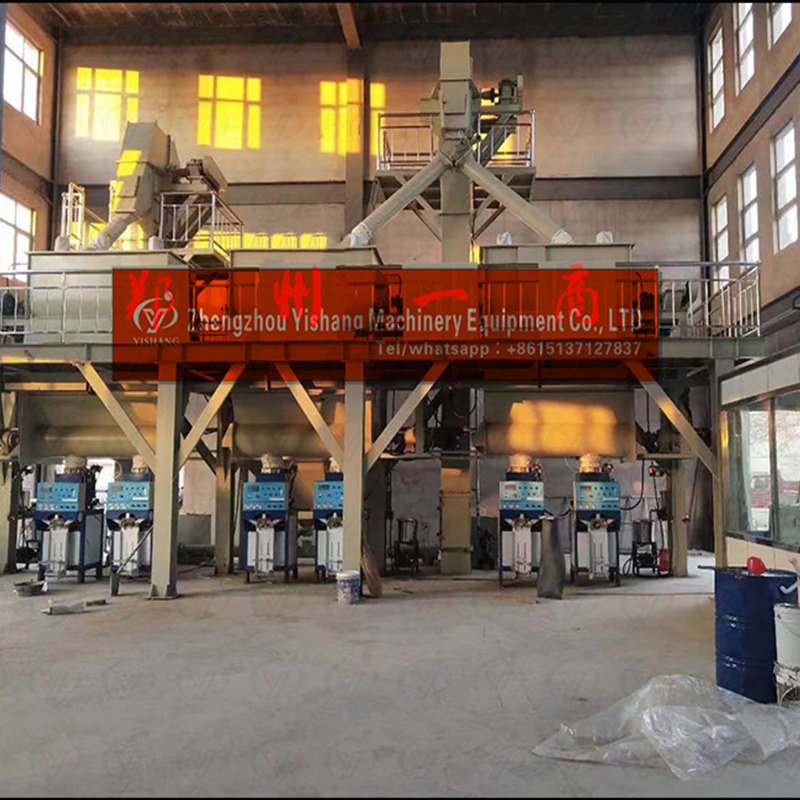
Ideal For: Large-scale manufacturers requiring maximum output, efficiency, and consistent quality with minimal manual intervention.
Key Features:
Integrated Batching System: Complete automated batching silos for all raw materials (resin, filler, pigment, sand, beads) with precision weighing scales.
Mixer: Advanced, large-capacity mixer with optimized heating and shear mixing.
Process Control: Fully controlled by a central PLC or industrial computer. Recipes are input digitally, and the entire process (weighing, feeding, mixing, discharging) is automatic.
Cooling & Packing System: Integrated cooling belt/chip system connected to a fully automatic weighing and packing machine (valve bag or big bag).
Dust Collection: Comprehensive dust control system for a clean plant.
Advantages: Highest production capacity and consistency, minimal labor requirement, optimal raw material yield, best product quality control, suitable for 24/7 operation.
Output: Designed for continuous high-volume production, often 5-7 tons per hour or more.
5. Conclusion
Selecting the right thermoplastic road marking paint production line is crucial for business success. Zhengzhou Yishang Machinery Equipment Co., Ltd. provides tailored solutions from Simple to Fully Automatic lines. By understanding the raw materials and formulations, customers can better assess their production needs. For small-scale flexibility, the Simple line suffices. For growing businesses, the Automatic line offers a perfect upgrade. For large-scale, high-efficiency manufacturing, the Fully Automatic line represents the ultimate investment in productivity and quality. Contact Yishang for a professional consultation to select the optimal production line for your specific goals.+8615137127837
Whatsapp:++8615137127837
WechatID:+8615137127837
Email:[email protected]
Alibaba Store:
https://zzyishang.en.alibaba.com


 ++8615137127837
 +8615137127837

 Alibaba Store
